Choline-Based Nootropics, Explained Simply
Alpha GPC and Citicoline are two of the most frequently used ingredients in cognitive supplements, and both work by the same basic mechanism.
Here's what choline actually does in the brain, and how these two common sources compare.
Why choline matters for the brain
Choline is the direct precursor to acetylcholine, a neurotransmitter central to learning, memory formation, and muscle control. The brain needs a steady choline supply to keep producing acetylcholine at healthy levels — and many people don't get enough choline from diet alone.
Alpha GPC
Alpha-glycerophosphocholine is one of the most bioavailable dietary choline sources, meaning a relatively high percentage crosses into the bloodstream and brain. It's one of the more researched nootropics for supporting mental sharpness, and separately shows some evidence for supporting physical performance and growth hormone secretion.
Citicoline (CDP-Choline)
Citicoline splits into choline and cytidine once absorbed. The choline portion supports acetylcholine production just like Alpha GPC; the cytidine portion converts to uridine, which plays a role in rebuilding brain-cell membranes. Citicoline is used clinically in several countries for cognitive support following certain neurological events, giving it a somewhat different research base than Alpha GPC.
Do you need both?
Since they work through overlapping but not identical pathways, some formulas include both — the idea being complementary rather than redundant support. There's no strong head-to-head research proving the combination outperforms either ingredient alone, so treat this as a reasonable formulation choice rather than a proven synergy.
How this applies to Harmo Brain
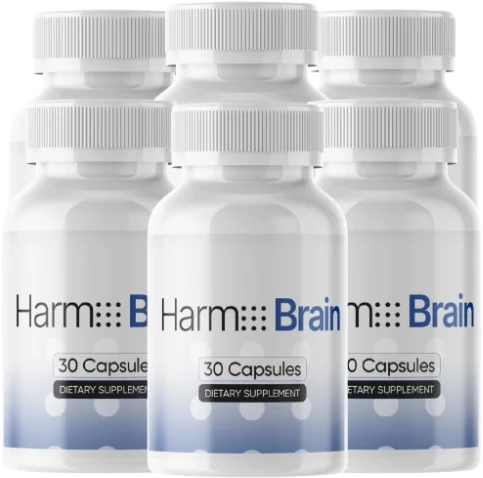
Harmo Brain includes both Alpha GPC (300mg) and Citicoline (250mg) — a reasonable double-source approach to choline support, at doses broadly consistent with what's commonly studied for each ingredient individually.