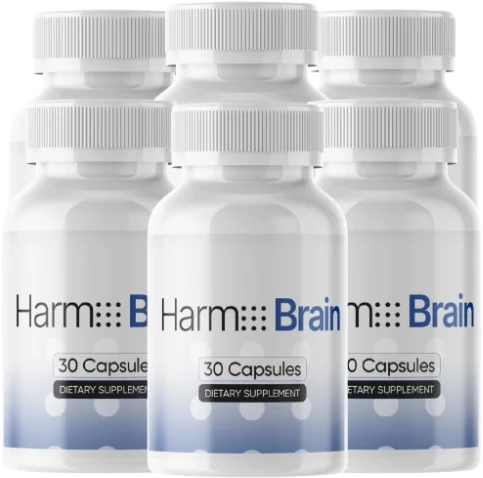
Harmo Brain Ingredients
Harmo Brain's 12 ingredients each have a disclosed dose, from Bacopa (300mg) to Magnesium L-Threonate (2,000mg).
Evidence strength varies by ingredient - strongest for Bacopa and Ashwagandha, more preliminary for Resveratrol.
All 12 ingredients, doses shown, evidence rated honestly
Lion's Mane Mushroom
500 mgA mushroom extract studied for stimulating Nerve Growth Factor production. Small human trials suggest cognitive support in older adults, though larger confirmatory trials are still limited — promising but not conclusive.
Bacopa monnieri
300 mgThe best-evidenced single ingredient in this formula for memory specifically. Multiple randomized trials show benefit, consistently only after 8-12 weeks of daily use.
Alpha GPC
300 mgA highly bioavailable choline source and one of the more researched nootropics for supporting mental sharpness, memory and physical performance.
Ashwagandha (KSM-66)
600 mgA well-researched adaptogen. Clinical trials on the KSM-66 extract specifically show support for memory, attention and stress-related measures at this dose.
Ginkgo biloba
120 mgExtensively studied but genuinely inconsistent in results. Large trials, including the major GEM dementia-prevention study, were largely disappointing despite Ginkgo's popularity.
Citicoline (CDP-Choline)
250 mgProvides choline for acetylcholine synthesis and supports phospholipid membrane repair; used clinically in some countries for cognitive support and studied in multiple trials.
Rhodiola Rosea
200 mgAn adaptogen studied for reducing mental fatigue and supporting cognitive performance specifically under stress conditions.
Phosphatidylserine
100 mgThe one ingredient here with an actual FDA-qualified health claim — worded carefully by the agency: very limited and preliminary research suggests it may reduce cognitive-dysfunction risk in the elderly. The FDA itself notes the evidence is limited, not conclusive.
L-Theanine
200 mgFound naturally in green tea and reasonably well-studied for promoting calm, focused alertness without sedation.
B-Complex (B6, B9, B12)
Standard dosesGenuinely important where a real deficiency exists, since B-vitamins are essential cofactors for nervous-system function; less clearly beneficial as a mega-dose on top of already-adequate levels.
Resveratrol
150 mgA polyphenol studied for antioxidant and cerebrovascular support. Human cognitive-outcome data remains more limited than for several other ingredients here.
Magnesium L-Threonate
2,000 mg (144 mg elemental Mg)One of the few magnesium forms specifically studied for crossing the blood-brain barrier. Early research suggests support for synaptic plasticity, working memory and sleep quality.
The phosphatidylserine claim, quoted accurately
Phosphatidylserine is worth a special note. The FDA permits a genuine qualified health claim for it — but the required wording is careful: “very limited and preliminary scientific research suggests that phosphatidylserine may reduce the risk of cognitive dysfunction in the elderly. FDA concludes that there is little scientific evidence supporting this claim.” That's meaningfully different from calling it ‘FDA-approved for cognitive decline reduction’ — a claim we've seen elsewhere and don't repeat here.
Where doses line up with research, and where they don't fully
Bacopa (300mg), Ashwagandha KSM-66 (600mg) and Ginkgo (120mg) are all reasonably consistent with commonly studied research amounts. B-Complex and some minor ingredients use standard nutritional doses rather than amounts tied to a specific cognitive-outcome study.